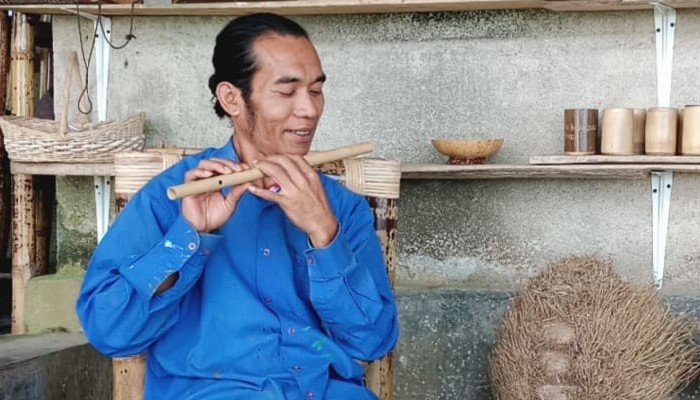
Lombok is known for its beaches, waterfalls, and mountain landscapes, but the island also offers visitors an opportunity to discover the culture of the Sasak people, the indigenous ethnic group of Lombok.
From traditional village architecture to handwoven textiles and everyday community life, Sasak culture is an important part of what makes Lombok different from other Indonesian destinations.
For travelers who want to go beyond the usual sightseeing stops, visiting a traditional village or learning about local crafts can add a meaningful cultural dimension to their trip.
In this guide, you will discover where to experience Sasak culture in Lombok, what to look for, and how to visit local communities respectfully.
1. Visit Sade Traditional Village
Sade is one of the best-known traditional Sasak villages in Central Lombok. It is often included in cultural itineraries for travelers exploring the southern part of the island.
The village is known for traditional houses, local architecture, and the opportunity to learn about Sasak customs. Visitors may also encounter demonstrations or displays of traditional weaving.
A visit can help travelers understand how traditional village life is presented and preserved while tourism creates opportunities for local residents.
What to experience:
- Observe traditional Sasak house designs.
- Learn about local customs and village history.
- Discover traditional weaving and textiles.
- Ask respectful questions about daily life and cultural traditions.
Consider combining Sade with nearby destinations such as Kuta Lombok or Tanjung Aan Beach for a day that includes both cultural discovery and coastal scenery.
2. Discover Sasak Architecture and Traditional Houses
Traditional Sasak houses reflect local materials, environmental conditions, and community traditions.
Some traditional buildings are associated with distinctive thatched roofs, raised or compact structures, and natural materials. Construction styles and their meanings can vary between locations, so it is worth asking a local guide to explain the details rather than assuming every house follows the same design.
During a village visit, look beyond the buildings themselves. The layout of homes, shared spaces, and the relationship between houses and community life can also help visitors understand the local setting.
Remember that a traditional-looking house may still be someone’s private home. Always ask before entering or taking photographs.
3. Learn About Traditional Sasak Weaving
Traditional weaving is an important cultural craft in Lombok. Handwoven textiles can reflect local techniques, patterns, and skills passed between generations.
Depending on the village and the people available, visitors may have the opportunity to see weaving demonstrations or learn how textiles are produced.
When visiting a weaving workshop or buying a handmade textile, consider asking about the production process, the time involved, and whether the item was made locally.
Buying directly from local artisans, when possible, can help support the people who maintain these traditional skills.
4. Explore Tetebatu for a Different View of Local Life
Tetebatu, in East Lombok, is known for its rice fields, rural scenery, and walking routes through the surrounding countryside.
Unlike a visit focused mainly on a designated cultural attraction, exploring Tetebatu can offer a broader view of rural Lombok. Depending on your route, you may pass farms, small settlements, gardens, and landscapes shaped by local livelihoods.
A guided walk can help explain the relationship between the environment, agriculture, and everyday life in the area.
Tetebatu is particularly suitable for travelers who enjoy walking and want to combine nature with cultural discovery. However, it is not a substitute for visiting a traditional Sasak village specifically to learn about architecture or heritage.
5. Understand Local Customs Before Your Visit
A cultural visit becomes more rewarding when travelers approach it with curiosity and respect.
Here are a few simple ways to prepare:
- Dress respectfully. Choose clothing suitable for visiting a local community, especially when entering religious or culturally significant places.
- Ask before taking photos. People should have a choice about whether they want to appear in your pictures.
- Respect private spaces. Do not enter homes or restricted areas without permission.
- Listen to local explanations. Traditions can differ between communities, so avoid assuming that one village represents every Sasak community.
- Support local livelihoods thoughtfully. If you purchase crafts or join an activity, ask about the people and work behind it.
These small actions help make cultural tourism more considerate for both visitors and residents.
6. How to Include Sasak Culture in Your Lombok Itinerary
The best itinerary depends on where you stay and how much time you have.
If you have one day
Combine a visit to Sade Traditional Village with selected destinations in South Lombok, such as Kuta or Tanjung Aan. Allow enough time to explore rather than rushing between stops.
If you have two or three days
Consider combining cultural visits in Central Lombok with a separate day exploring Tetebatu and the countryside of East Lombok.
If you prefer a private experience
A private tour can make it easier to adjust the pace, spend longer at places that interest you, and combine cultural stops with other destinations. Before booking, confirm which places are included, whether a local guide is provided, and whether entrance fees or activity costs are included.
You can explore the Lombok Travel Guide for broader trip-planning ideas and check available private tour options when planning your route. Replace these general links with the exact relevant Island Compass page URLs before publishing.
My Advice as a Local Guide
If you want to understand Sasak culture, do not treat a village visit as just another photo stop.
Take time to listen, observe the architecture, ask appropriate questions, and learn how local crafts are made. A short visit can be interesting, but a thoughtful visit is often more rewarding.
I also recommend balancing cultural attractions with time in the countryside. Places such as Tetebatu offer a different perspective on Lombok through its landscapes and rural setting.
Most importantly, remember that culture is not only something preserved for visitors. It is part of the lives of the people who call Lombok home.
Frequently Asked Questions
Who are the Sasak people?
The Sasak are the indigenous ethnic group of Lombok. Their culture includes distinctive traditions, local languages, architecture, crafts, and community practices.
Where can I experience Sasak culture in Lombok?
Sade Traditional Village is one of the best-known places for cultural visits. Travelers can also explore traditional crafts and rural communities in other parts of Lombok, depending on local access and available activities.
Can I see traditional weaving in Lombok?
Yes, some cultural villages and local workshops offer opportunities to see traditional weaving or learn about textile production. Availability varies, so check in advance.
Is Sade Traditional Village suitable for families?
It can be suitable for families interested in culture and local architecture. As with any village visit, supervise children, respect residents’ privacy, and follow local guidance.
Can I combine Sasak cultural experiences with a beach trip?
Yes. A visit to Sade can be combined with selected South Lombok beaches, depending on your starting point and schedule.
Do I need a guide to visit a traditional Sasak village?
A guide is not always essential, but a knowledgeable local guide can provide context about architecture, customs, and local life that may otherwise be missed.
Final Thoughts
Experiencing Sasak culture adds another dimension to a trip around Lombok. From the traditional architecture of Sade to the weaving heritage and rural landscapes of Tetebatu, cultural experiences can help travelers appreciate more than the island’s natural beauty.
Approach each visit with respect, remain curious, and give local people the opportunity to share their culture in their own way.
With a little planning, you can include cultural discovery in your Lombok itinerary while supporting local communities and gaining a deeper appreciation of the island.