Tetebatu Travel Guide: Things to Do, Places to Visit and Local Tips
When people think of Lombok, they often imagine white-sand beaches, turquoise water and small tropical islands. But there is another side of Lombok that deserves a place on your itinerary: the peaceful countryside around Tetebatu.
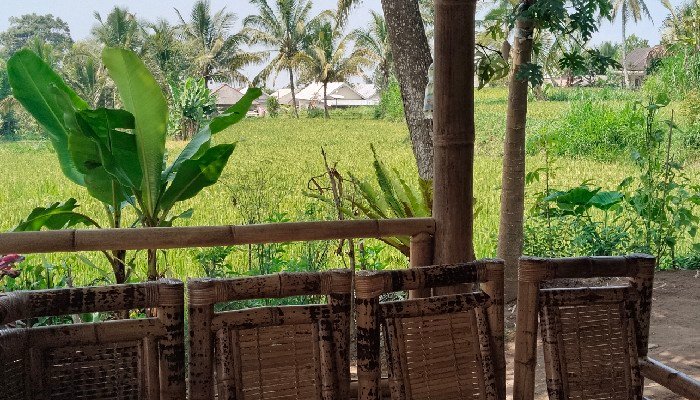
Located in East Lombok, on the southern slopes of Mount Rinjani, Tetebatu is known for its green rice terraces, tropical forests, waterfalls and traditional village life. Instead of spending the day between beaches and beach clubs, you can walk through farming landscapes, discover quiet corners of the countryside and experience a slower rhythm of life.
Tetebatu is especially appealing to travelers who enjoy nature, walking, local food and meaningful cultural experiences. It is not a destination you need to rush through. Sometimes, the best part of visiting is simply having time to enjoy the landscape.
In this guide, you will discover what to do in Tetebatu, which experiences are worth considering, how long to stay and what to know before visiting.
Where Is Tetebatu, Lombok?
Tetebatu is a village area in Sikur District, East Lombok, West Nusa Tenggara, Indonesia. It lies on the southern side of Mount Rinjani and is surrounded by hills, agricultural land, forests and rural settlements.
The area sits at a higher elevation than much of Lombok’s coastline, giving it a generally cooler atmosphere. On clear days, the surrounding landscape offers beautiful views towards the mountain.
Tetebatu is sometimes compared with Ubud in Bali because of its rice fields, greenery and village atmosphere. However, it has its own character. Its appeal comes from its connection to everyday rural life, rather than from being a large tourism centre.
The village is a good choice for travelers who want to explore a different side of Lombok and spend time away from the busier coastal areas.
Best Things to Do in Tetebatu
Suggested image: Tetebatu’s green rice terraces with Mount Rinjani in the background.
1. Walk Through the Rice Terraces
Walking through Tetebatu’s rice fields is one of the simplest and most rewarding ways to experience the area.
The paths pass through cultivated land, irrigation channels, small farms and village surroundings. Depending on the season, the fields may appear bright green, freshly planted or ready for harvest.
A walk also gives you a closer look at how agriculture remains part of everyday life. You may see farmers tending their crops or working around the rice fields.
Local tip: Go in the morning if possible. The light is often softer, and walking before the warmer part of the day can be more comfortable. Remember that rice fields are working farmland, so stay on appropriate paths and ask before entering private areas or photographing people at work.
2. Explore Tetebatu’s Waterfalls
Tetebatu and its surrounding countryside offer several waterfall experiences, each with a different setting.
Sarang Walet Waterfall is one of the area’s distinctive natural attractions. The route includes a walk through lush surroundings, and the waterfall is associated with a rocky, cave-like landscape.
Other waterfall stops around Tetebatu can offer forest scenery, streams and natural pools. The exact route and accessibility depend on the attraction, weather and local conditions.
If you want to visit more than one waterfall, ask a local guide about the walking distance, trail conditions and how much time to allow. Some routes involve uneven ground, steps or slippery sections.
A small but important reminder: Never assume a waterfall is safe for swimming simply because other visitors are in the water. Check the current conditions, avoid strong currents and follow local guidance, especially after heavy rain.
3. Visit the Black Monkey Forest
Tetebatu is also known for forest walks where visitors may have the opportunity to observe black monkeys, including the Javan lutung.
Wildlife sightings are never guaranteed. Animals may be high in the trees, resting away from the trail or difficult to spot depending on the time of day and forest conditions.
A responsible visit should focus on observing wildlife without disturbing it.
- Keep a respectful distance from animals.
- Do not feed or attempt to touch them.
- Avoid loud noises and sudden movements.
- Follow the guidance of your local guide.
- Take your rubbish with you.
The forest experience is not only about seeing monkeys. It is also an opportunity to appreciate the vegetation, birds and natural environment around the foothills of Mount Rinjani.
4. Experience Traditional Village Life
Tetebatu offers more than scenic landscapes. It is also a place to learn about rural life in Lombok.
Depending on the experience available, visitors may be able to see agricultural activities, learn about local crops, visit small community businesses or speak with residents about their daily work.
The most rewarding encounters are usually the ones approached with curiosity and respect. Instead of treating a village as a backdrop for photographs, take the time to understand the people who live there.
Ask permission before taking close-up photographs, especially of individuals, families or activities inside private homes.
5. Discover Local Crafts and Traditional Skills
For travelers interested in hands-on cultural experiences, Tetebatu offers opportunities to discover traditional crafts and locally made products.
Bamboo and rattan crafts are particularly interesting because they connect practical skills, natural materials and local creativity. Depending on the workshop, visitors may be able to learn how materials are prepared and try making a simple item with guidance from an artisan.
This type of experience is a good alternative to spending the entire trip sightseeing. You can slow down, learn something new and leave with a handmade item of your own.
If this sounds like your kind of activity, explore our Bamboo Craft Workshop in Tetebatu.
Availability, craft options and workshop duration should be confirmed before visiting.
6. Enjoy Local Food and Coffee
Food is another way to understand the character of a destination.
In Tetebatu, you can look for locally prepared Indonesian and Sasak dishes, fresh ingredients and coffee from the surrounding agricultural region. Some community-based experiences may also introduce visitors to traditional food preparation or local farming.
Rather than expecting a large selection of international restaurants, approach Tetebatu as a countryside destination where the experience may be simpler and more personal.
If you have dietary requirements, communicate them clearly before ordering or arranging a meal.
7. Slow Down and Enjoy the Countryside
Not every activity needs to involve a long hike or a packed itinerary.
Spend some time enjoying the views, walking along quiet village paths, relaxing at your accommodation or sitting down for a cup of coffee. The cooler surroundings and slower pace are part of what makes Tetebatu appealing.
For travelers who have spent several days exploring Lombok’s coastline, Tetebatu can provide a refreshing change of scenery.
How Many Days Should You Spend in Tetebatu?
The right length of stay depends on your travel style and the experiences you want to include.
A Day Trip
A day trip can work if you are short on time. You could focus on a rice terrace walk, one waterfall area and a local lunch.
However, traveling to Tetebatu and back from another part of Lombok takes time. Avoid planning too many stops in one day, particularly if you want to enjoy the walks rather than rush between them.
One Night
Staying for one night allows you to explore at a more relaxed pace. You can spend the first day discovering the countryside and enjoy the quieter atmosphere in the evening.
The following morning, you may have time for another walk or a cultural activity before continuing your journey.
Two Nights or More
Two nights or more are worth considering if you enjoy nature, want to explore several walking routes or prefer a slower itinerary.
You will have more flexibility to adapt to weather, spend time with local hosts and choose activities based on your interests rather than fitting everything into a single day.
For most visitors who enjoy rural destinations, I would rather recommend fewer activities done comfortably than a schedule that leaves no time to appreciate the place.
When Is the Best Time to Visit Tetebatu?
Tetebatu can be visited throughout the year, but the experience changes with the weather and agricultural season.
The wetter months can bring lush greenery and flowing waterfalls, but trails may become muddy or slippery. During drier periods, walking conditions may be more comfortable, although the appearance of the rice fields depends on the farming cycle.
There is no single month that guarantees the best scenery for every activity.
Before your visit:
- Check the weather forecast.
- Ask about current trail and waterfall conditions.
- Wear footwear suitable for uneven or muddy paths.
- Carry drinking water and rain protection when needed.
- Allow flexibility in your schedule.
If you are planning a more demanding trek in the Mount Rinjani area, check the relevant park rules and current access arrangements separately. A countryside walk in Tetebatu is not the same as a regulated mountain trek.
How to Get to Tetebatu
Tetebatu is located inland in East Lombok, so the most suitable transport depends on where you are staying and how comfortable you are traveling independently.
By Scooter
A scooter offers flexibility for confident riders who are familiar with Indonesian road conditions.
However, the route may include unfamiliar roads, changing weather and local traffic. Only ride if you have the appropriate licence, helmet and experience, and are comfortable with the conditions.
Do not feel that renting a scooter is necessary to enjoy Lombok.
By Private Driver
A private driver is a practical option if you want a comfortable transfer or plan to visit several places in one day.
It can also make sense for couples, families or travelers carrying luggage. Confirm the pickup point, expected duration, stops and return arrangements before departure.
With a Local Guide
A guided experience can help you understand the area beyond its main viewpoints. A knowledgeable local guide can explain the countryside, help you navigate walking routes and provide context about the community and its activities.
For visitors who want to combine nature, village life and a hands-on cultural experience, a private arrangement can also make it easier to tailor the day to their interests.
If you prefer exploring with a guide, see our Tetebatu Jungle Trek Full-Day Tour. Confirm the itinerary and meeting arrangements before booking.
Where to Stay in Tetebatu
Tetebatu is a destination where the setting of your accommodation can be part of the experience.
You may find homestays, guesthouses, bungalows and other small properties in and around the village. The right choice depends on whether you prefer to be close to local services, surrounded by greenery or positioned for particular walking routes.
Before booking, consider:
- Location: Check the property’s actual position relative to your planned activities.
- Transport: Ask whether you can arrange a pickup or need to organise your own transport.
- Facilities: Confirm hot water, Wi-Fi, meals and other amenities that matter to you.
- Accessibility: Rural properties may have uneven paths, steps or limited access for some travelers.
- Atmosphere: Decide whether you prefer a simple local stay or a property with more resort-style facilities.
For a more detailed accommodation comparison, see our separate guide to Where to Stay in Tetebatu. This allows you to choose a property based on your priorities rather than relying on photographs alone.
What Should You Pack for Tetebatu?
You do not need specialised equipment for every Tetebatu activity, but a few essentials will make your visit more comfortable.
- Comfortable walking shoes with good grip
- Lightweight, breathable clothing
- A reusable water bottle
- A small daypack
- Sunscreen and a hat
- Insect repellent
- A rain jacket or compact umbrella
- A small towel and a change of clothes if you plan to visit waterfalls
- Personal medication
- A phone or camera
For cultural visits, dress respectfully and follow any guidance from your host or local guide. For longer or more challenging treks, ask the operator for a separate equipment list.
Responsible Travel in Tetebatu
Tetebatu’s natural and cultural attractions are closely connected to the lives of local residents. Visitors can help protect that character by making thoughtful choices.
Stay on established paths, avoid leaving rubbish, and respect farmland and private property. Do not feed wildlife or remove plants and other natural materials.
When buying food, crafts or local services, consider supporting legitimate community-based businesses. If you are visiting a workshop or family home, remember that you are entering someone’s working or living environment.
Most importantly, be patient. Local life does not always follow the pace of a tightly scheduled tour. Allow time for genuine interactions instead of expecting every moment to be arranged for photographs.
My Advice as a Local Guide
My advice is simple: don’t treat Tetebatu as just another stop on a packed Lombok itinerary.
The best way to experience the area is to choose a few activities that genuinely interest you and leave room to enjoy them. If you love nature, prioritise a countryside walk and a waterfall. If you are curious about local life, add a cultural or craft experience. If you mainly want peace and fresh air, you may be perfectly happy with a relaxed walk and an afternoon at your accommodation.
Think about your transport and the amount of time you have before deciding how many stops to include. A route that looks short on a map may take longer once you include walking, photographs, weather and time spent with local people.
And please remember that Tetebatu is a living community, not a theme park. A respectful attitude makes the experience better for both visitors and residents.
Frequently Asked Questions About Tetebatu
Is Tetebatu worth visiting?
Yes, especially if you enjoy nature, countryside walks, waterfalls, local food and cultural experiences. It offers a different atmosphere from Lombok’s beach destinations.
How long should I stay in Tetebatu?
A day trip can cover a few highlights, while one or two nights allow a more relaxed visit. Nature lovers and travelers interested in local culture may prefer to stay longer.
Can I visit Tetebatu without a guide?
Yes. Some visitors explore independently, depending on their transport and plans. For forest walks, unfamiliar routes or experiences involving local communities, a guide can provide useful context and help with navigation.
Is Tetebatu suitable for families?
It can be, depending on the family’s interests and the activities selected. Easy countryside walks and cultural experiences may suit some families, while uneven waterfall trails may be unsuitable for young children or people with mobility limitations. Check the specific route before setting out.
Can I swim at Tetebatu’s waterfalls?
Swimming may be possible at some locations when conditions permit, but it is not guaranteed to be safe. Water levels, currents, slippery rocks and recent rainfall can change conditions. Follow local advice and do not enter unsafe water.
What is Tetebatu known for?
Tetebatu is known for its terraced rice fields, waterfalls, forest landscapes, black monkeys, agriculture and community-based cultural experiences.
Is Tetebatu similar to Ubud in Bali?
Both destinations offer green landscapes, rice fields and cultural experiences. However, Tetebatu has its own rural character and is best appreciated on its own terms rather than as a direct substitute for Ubud.
Can I combine Tetebatu with other Lombok destinations?
Yes, but the best combination depends on where you start, your transport and how much time you have. If you want to enjoy the walking routes and local experiences, avoid squeezing too many distant destinations into the same day.
Plan Your Tetebatu Experience with Island Compass
Tetebatu is a wonderful option for travelers who want to experience the greener, quieter side of Lombok.
Whether you are interested in rice terraces, forest walks, waterfalls or traditional crafts, the right plan depends on your pace and interests.
Island Compass can help you explore private local experiences in Lombok and choose activities that fit your itinerary.
Ready to discover Tetebatu? Explore our Tetebatu Jungle Trek Full-Day Tour or Bamboo Craft Workshop in Tetebatu, and contact Island Compass to discuss your plans.