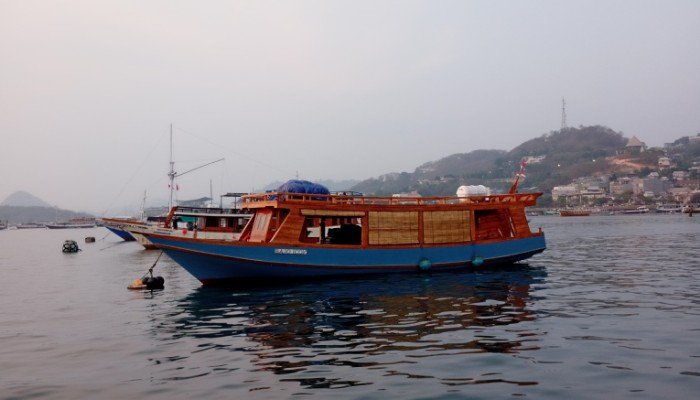
Sumbawa Travel Guide: Best Places to Visit & Local Adventures
Indonesia is home to thousands of islands, but some of its most memorable destinations remain outside the usual tourist routes. Sumbawa, located east of Lombok in West Nusa Tenggara, is one of them.
Known for its beautiful coastline, small islands, traditional fishing communities, spectacular natural landscapes, and world-famous surf breaks, Sumbawa offers a different kind of Indonesian adventure. Instead of spending your days in busy tourist centres, you can discover quiet beaches, walk up green hills overlooking turquoise water, explore rural landscapes, and experience the slower rhythm of island life.
For travellers looking beyond Bali and Lombok, Sumbawa is worth considering.
But there is something important to understand before planning your trip: Sumbawa is a large island, and its attractions are spread across different regions. Visiting Kenawa Island, exploring Moyo Island, swimming with whale sharks in Saleh Bay, and trekking Mount Tambora are very different experiences that may require separate itineraries.
As a local guide familiar with travel around Lombok and the surrounding islands, I believe the best way to explore this part of Indonesia is to plan around your interests rather than trying to visit every destination in a short time.
In this guide, you will discover the best places to visit in Sumbawa, how to get there, what experiences to consider, and how to plan a realistic adventure.
1. Where Is Sumbawa Island?
Sumbawa is located in West Nusa Tenggara Province, Indonesia, between Lombok to the west and Flores to the east.
It is part of the Lesser Sunda Islands and lies along an important route for travellers exploring the islands east of Bali.
Many visitors reach Sumbawa by ferry from Lombok, while others fly to Sumbawa Besar or Bima, depending on their itinerary.
The island has several distinct regions, each offering different experiences.
Western Sumbawa is a useful starting point for travellers interested in small offshore islands such as Kenawa. The area around Sumbawa Besar provides access to Moyo Island and can serve as a base for trips towards Saleh Bay. Further east, the landscape changes as you approach Dompu, Mount Tambora, and the surfing areas around Lakey.
These destinations are not interchangeable. Your arrival port, available transport, and total travel time will determine which places make the most sense for your trip.
Why visit Sumbawa?
Sumbawa appeals to travellers who enjoy nature, outdoor activities, and destinations that require a little more planning.
Here are some of its main attractions:
- Small islands with clear water and scenic coastal landscapes.
- Whale shark encounters in Saleh Bay.
- Waterfalls and forest scenery on Moyo Island.
- Surfing around Lakey Peak and the southern coast.
- Mountain landscapes and trekking around Mount Tambora.
- Traditional villages, fishing communities, and local food.
Sumbawa is not the ideal destination for everyone. Travellers looking for extensive nightlife, large shopping districts, or resort facilities everywhere may prefer other Indonesian destinations.
But if you appreciate nature, quiet surroundings, and active travel, Sumbawa offers plenty of reasons to stay longer.
2. Kenawa Island: A Small Island with Beautiful Views
Kenawa Island is one of the most appealing places to consider when exploring western Sumbawa.
Located near the Poto Tano ferry area, this small island is known for its open grassy landscape, gentle hill, sandy shoreline, and views across the surrounding sea.
Its landscape changes with the seasons. During greener periods, the hills can appear lush, while the dry season can transform the island into a golden grassland.
The contrast between the open hillside and the blue sea makes Kenawa particularly attractive to photographers and travellers who enjoy short outdoor adventures.
What can you do on Kenawa Island?
Walk to the hilltop viewpoint
One of the island’s main highlights is the walk up its small hill. From the top, you can enjoy views of the surrounding coastline and nearby islands.
The climb is relatively short, but the exposed landscape can become hot. Wear suitable footwear and bring drinking water.
Enjoy the beach and coastal scenery
The island is also a place to relax, enjoy the scenery, and appreciate the quieter atmosphere away from larger towns.
Swimming and snorkelling conditions depend on the location, tides, currents, and weather. Check local conditions before entering the water.
Take photographs
Kenawa’s open landscape offers opportunities for landscape photography, especially when the light is soft in the early morning or late afternoon.
How do you visit Kenawa Island?
Travellers commonly approach the island from the Poto Tano area in western Sumbawa. Reaching it generally requires arranging a boat transfer.
Boat availability, costs, and departure arrangements can vary, so confirm them locally before travelling.
Kenawa works particularly well as part of a western Sumbawa itinerary. If you are coming from Lombok, it can be a natural place to consider around your ferry journey.
However, do not assume that a quick visit to Kenawa will also allow enough time to explore the more distant attractions around Sumbawa Besar or Saleh Bay on the same day.
3. Saleh Bay: A Remarkable Whale Shark Experience
Saleh Bay, on the northern side of Sumbawa, is known for opportunities to observe whale sharks in their natural marine environment.
Whale sharks are the largest fish in the world. Despite their impressive size, they are filter feeders that consume small organisms such as plankton.
The waters around Saleh Bay are associated with traditional fishing platforms known locally as bagan. Whale sharks may gather around these platforms, creating opportunities for visitors to observe them from a boat or, when conditions and local arrangements permit, enter the water for a closer look.
The experience can be memorable, but it should always be approached with respect for the animals and their environment.
What happens during a whale shark trip?
A typical excursion involves an early departure from the local coastal area and a boat journey towards the whale shark observation site.
Once the boat reaches the area, the local crew assesses the conditions and whether whale sharks are present.
Depending on the operator’s arrangements, visitors may observe the animals from the boat or snorkel in the water.
The exact itinerary varies by departure point, sea conditions, and the operator.
Whale shark sightings are not guaranteed. These are wild animals, and their movements cannot be controlled. Travellers should choose responsible operators that communicate honestly about the experience.
Responsible whale shark tourism
A memorable wildlife encounter should never come at the expense of the animals.
During a whale shark excursion:
- Never touch, chase, or attempt to ride a whale shark.
- Follow the local guide’s instructions.
- Keep a respectful distance and avoid blocking the animal’s path.
- Do not feed the whale sharks or encourage behaviour that disturbs them.
- Use appropriate sun protection and follow the crew’s safety instructions.
- Avoid entering the water if conditions are unsuitable or the crew advises against it.
Choose operators who prioritise safe encounters and responsible wildlife practices.
How do you reach Saleh Bay?
Travellers can reach Sumbawa through the ferry connection from Lombok or by flying into a suitable airport, depending on the itinerary.
From the arrival point, additional overland transport is needed to reach the relevant coastal departure area. Boat trips can then take considerable time, depending on the site and sea conditions.
For this reason, a whale shark excursion is best planned as part of a dedicated trip rather than squeezed into a rushed island-hopping schedule.
If you are starting in Lombok, you can explore our Whale Shark Adventure 2D1N to learn more about a multi-day journey to Saleh Bay.
This type of itinerary allows more time for transportation and preparation than attempting the experience as a quick side trip.
4. Moyo Island: Waterfalls, Forests & Coastal Nature
Moyo Island lies off the northern coast of Sumbawa, near Sumbawa Besar.
It is known for its natural landscape, forested interior, marine environment, and the famous Mata Jitu Waterfall.
Compared with a straightforward beach excursion, visiting Moyo requires additional transport planning. Travellers generally arrange a boat journey from the Sumbawa Besar area, with the available options depending on local services and sea conditions.
Discover Mata Jitu Waterfall
Mata Jitu is one of Moyo Island’s best-known natural attractions.
The waterfall features cascading water and natural pools surrounded by forest. Its appearance can change according to rainfall and seasonal conditions.
The journey to the waterfall may involve additional land transport and walking, depending on your arrival point and arrangements.
Wear suitable footwear, follow local instructions, and take care on wet or slippery surfaces.
Explore the island’s natural surroundings
Moyo is also appealing to travellers interested in quiet coastal scenery, snorkelling, and spending time in a more natural environment.
However, facilities and transport options are more limited than in larger tourist centres. Confirm accommodation, boat arrangements, food availability, and return transport before setting off.
Is Moyo Island suitable for a day trip?
A day trip may be possible with carefully coordinated transport, but the feasibility depends on departure times, sea conditions, and the activities you want to include.
If you prefer a relaxed visit, consider allowing more time rather than attempting to combine every attraction into a single day.
Moyo is best approached as a destination in its own right, particularly for travellers who enjoy waterfalls, nature, and quieter island surroundings.
5. Mount Tambora: A Mountain with Extraordinary History
Mount Tambora is one of Indonesia’s most historically significant volcanoes.
Its massive eruption in April 1815 had global climatic consequences, contributing to the unusually cold conditions and crop failures associated with the following year, often called the Year Without a Summer.
Today, the mountain attracts travellers interested in trekking, volcanic landscapes, and the natural history of Indonesia.
The summit and caldera offer a very different experience from the beaches and small islands found elsewhere in Sumbawa.
What makes Mount Tambora special?
The mountain’s volcanic history is a major part of its appeal.
Its landscape reflects the scale of the 1815 eruption, while the surrounding region includes forest, savanna, and remote countryside.
For hikers, reaching the mountain’s higher elevations requires preparation and a realistic understanding of the route.
Planning a Tambora trek
A Mount Tambora trek should not be treated like an ordinary sightseeing excursion.
Before travelling, confirm:
- Which official trekking route is available.
- Whether the national park is open to visitors.
- Registration and permit requirements.
- Whether a qualified local guide is required.
- The expected duration and physical difficulty.
- Weather conditions and any route restrictions.
- Camping equipment, food, water, and other necessary supplies.
Conditions and access rules can change, so confirm current arrangements with the relevant park authorities or authorised local operators before departure.
If you have limited time in Sumbawa, it may be better to focus on one region rather than trying to combine a mountain trek with several distant coastal attractions.
6. Lakey Peak: A Destination for Surf Travellers
Sumbawa is also well known among surfers, particularly for the breaks around Lakey, near Hu’u in Dompu Regency.
Lakey Peak attracts experienced surfers looking for powerful waves and reef breaks. The wider area offers a selection of surf spots, although the conditions and suitability of each break vary with swell, tides, wind, and experience level.
This is an important consideration for travellers planning a surfing holiday.
Not every surf spot is suitable for beginners. Some breaks involve shallow reef, strong currents, or conditions that require advanced skills.
Before entering the water, ask local surf professionals about the conditions and choose a break that matches your ability.
Is Lakey Peak suitable for beginners?
Some travellers learn to surf in Sumbawa, but Lakey Peak itself is particularly known for its more challenging waves.
Beginners should not assume that the main break is suitable for their first lesson.
If you are new to surfing, arrange instruction at a location and time appropriate to your experience, and follow local safety advice.
Lakey is best considered as part of an eastern or southern Sumbawa itinerary, rather than a quick excursion from western Sumbawa.
7. Island Hopping Around Sumbawa
Island hopping can be one of the most rewarding ways to explore the waters around Sumbawa.
However, there is no single island-hopping route that conveniently covers every major attraction on the island.
Your options depend on where you start, which islands you want to visit, and how much time you have available.
Kenawa and the nearby western islands
The area around western Sumbawa offers opportunities to visit small offshore islands and enjoy coastal scenery.
Kenawa is a natural option for travellers arriving through Poto Tano. Other nearby islands may be included depending on the boat route and local arrangements.
Moyo Island and the northern coast
Moyo offers a different combination of natural attractions, including forest scenery and Mata Jitu Waterfall.
Because it lies off the northern coast, visits are usually planned around the Sumbawa Besar area rather than combined casually with a short Kenawa excursion.
Plan your boat trip carefully
Before confirming an island-hopping trip, check:
- The exact islands included.
- Departure and return locations.
- Boat capacity and safety equipment.
- Whether snorkelling equipment is provided.
- Whether meals and drinking water are included.
- Weather and sea conditions.
- Whether the trip can be adjusted if conditions change.
A private boat may offer more flexibility, while a shared excursion can be suitable for travellers who prefer to join an organised trip.
The most important thing is to choose a route that is realistic for the available time.
8. How to Get to Sumbawa from Lombok
For travellers already exploring Lombok, Sumbawa is accessible by sea or air.
The best option depends on your destination, transport arrangements, and overall itinerary.
Option 1: Take the ferry from Lombok
The main ferry connection for travellers heading towards western Sumbawa operates between Kayangan Port in East Lombok and Poto Tano Port in western Sumbawa.
The crossing commonly takes around one to two hours, although the actual duration can vary with operating conditions.
After arriving at Poto Tano, you will need additional land transport to reach your next destination.
This option can work well if you want to explore western Sumbawa or include Kenawa Island in your trip.
Remember that reaching destinations farther east requires substantial additional travel time.
Option 2: Fly to Sumbawa
Regional flights can provide an alternative for travellers with limited time.
Sumbawa Besar Airport is useful for itineraries focused on the northern coast, Moyo Island, and the Saleh Bay area. Bima Airport is more suitable for destinations in the eastern part of the island.
Flight routes, schedules, and availability can change, so check current airline information before making your plans.
Which option should you choose?
Choose the ferry if you want to combine Lombok and western Sumbawa in a road-based journey.
Consider flying if your destination is farther away and a suitable flight saves considerable travel time.
Neither option eliminates the need to plan local transportation. Sumbawa is large, and your final destination may still be several hours from the port or airport.
9. How Many Days Do You Need in Sumbawa?
The ideal length of your stay depends on which part of the island you want to explore.
Rather than treating Sumbawa as a destination that can be covered in one or two days, consider choosing a region and building a realistic itinerary around it.
Here are some examples.
One or Two Days: A Short Western Sumbawa Visit
If you have limited time, focus on western Sumbawa and the area around Poto Tano.
Depending on your arrival time and transport arrangements, you may be able to visit Kenawa Island and enjoy the surrounding coastal scenery.
Keep the itinerary flexible because ferry schedules, boat arrangements, and weather can affect your plans.
Three Days: A Focused Nature Adventure
With around three days, you may be able to build a more relaxed itinerary around one main area.
For example, you could focus on western Sumbawa and its nearby islands, or organise a dedicated trip around Sumbawa Besar and Moyo Island.
Do not assume that every attraction listed in this guide can be included comfortably in three days.
Four Days or More: A Multi-Stop Journey
A longer stay creates more opportunities to explore several destinations.
Depending on your priorities, you could combine a visit to Saleh Bay with time around Sumbawa Besar or Moyo Island, or create a separate itinerary for the surfing areas and Mount Tambora.
Even with several days available, distances and transportation connections matter.
If your main goal is to see whale sharks, prioritise Saleh Bay and allow enough time for the overland journey and early boat departure.
My recommendation: Choose your main experience first, then add nearby attractions that fit naturally into the route.
10. Practical Travel Tips for Sumbawa
A little preparation can make a significant difference when travelling around Sumbawa.
Plan around distances
Check the route between every destination before confirming accommodation or transportation.
An attraction may look close on a map but still require a lengthy journey because of road conditions, ferry connections, or the need to reach a boat departure point.
Arrange transportation in advance
Private transport can be useful for reaching destinations outside the main towns.
Confirm pickup arrangements, travel duration, waiting time, and what is included in the quoted price.
For boat excursions, clarify the departure point and return arrangements.
Carry enough cash
Payment options can vary between towns and remote areas.
Carry sufficient Indonesian rupiah for food, local transport, small purchases, and other expected expenses. Keep your cash secure and avoid carrying more than you reasonably need.
Respect local customs
Sumbawa has its own cultural traditions and community expectations.
Dress respectfully when visiting villages or religious sites, ask permission before photographing people, and follow local guidance.
A friendly attitude and a willingness to learn can make interactions with local communities more meaningful.
Prepare for outdoor activities
Bring sun protection, drinking water, appropriate footwear, and any personal medication you may need.
For trekking, surfing, snorkelling, or wildlife encounters, follow the safety instructions of qualified local professionals.
Keep your itinerary flexible
Weather, sea conditions, transportation schedules, and other unexpected circumstances can affect travel plans.
Avoid booking a complicated sequence of activities with no time between connections.
A little flexibility can make the journey much more enjoyable.
11. My Advice as a Local Guide
Sumbawa is a destination where good planning can make a real difference.
The island offers a variety of experiences, from walking up a small grassy hill on Kenawa Island to observing whale sharks in Saleh Bay, exploring Moyo Island’s natural surroundings, and discovering the volcanic history of Mount Tambora.
But these experiences are spread across a large island. Trying to fit them all into a short visit can turn an exciting adventure into a tiring journey.
My advice is to begin with one question:
What do you most want to experience in Sumbawa?
If you love small islands and coastal scenery, start with western Sumbawa.
If you are interested in waterfalls and forest landscapes, consider Moyo Island.
If swimming alongside whale sharks is your priority, organise your itinerary around Saleh Bay.
If you are an experienced surfer or hiker, focus on the area that best matches your activity and allow enough time for preparation.
You do not have to see everything on your first visit. Leaving some places for another trip can be better than rushing from one destination to the next.
At Island Compass Travel, I believe travel is more rewarding when the itinerary suits the traveller rather than forcing the traveller to follow an unrealistic schedule.
With the right preparation, Sumbawa can offer a memorable journey through some of Indonesia’s most fascinating coastal and natural landscapes.
Frequently Asked Questions About Sumbawa
Is Sumbawa worth visiting?
Yes. Sumbawa is worth considering if you enjoy nature, outdoor activities, surfing, island hopping, and less-developed tourist destinations. Its main attractions include Kenawa Island, Saleh Bay, Moyo Island, and Mount Tambora.
How do I get from Lombok to Sumbawa?
You can take the ferry from Kayangan Port in East Lombok to Poto Tano Port in western Sumbawa. Depending on your destination, flying to Sumbawa Besar or Bima may also be an option.
Can I visit Kenawa Island on a day trip?
A day visit may be possible with suitable boat arrangements and a realistic travel schedule. Your starting point, ferry connection, and return transport will determine whether it is practical.
Where can I see whale sharks in Sumbawa?
Saleh Bay is known for whale shark encounters. Excursions generally involve a boat trip to the observation area, with opportunities to observe the animals from the boat or snorkel when conditions permit.
Sightings cannot be guaranteed, so choose a responsible operator and follow all wildlife guidelines.
Is Moyo Island worth visiting?
Moyo Island is worth considering if you enjoy nature, forest scenery, waterfalls, and coastal environments. Mata Jitu Waterfall is one of its best-known attractions.
Allow enough time to arrange boat transport and any additional land travel.
How many days should I spend in Sumbawa?
A short visit can focus on one area, while a longer stay allows you to explore more destinations. Three to four days may work for a focused itinerary, but visiting several widely separated regions may require considerably longer.
Can I travel around Sumbawa independently?
Independent travel is possible, but planning transportation is important. Some areas have limited public transport or require advance arrangements for boat trips. A private vehicle or local operator may be useful for destinations that are difficult to reach independently.
What should I pack for Sumbawa?
Bring lightweight clothing, sun protection, comfortable footwear, drinking water, personal medication, and sufficient cash. Add activity-specific equipment depending on whether you plan to hike, surf, snorkel, or visit remote islands.
Related Guides
Continue planning your Indonesian island adventure with these guides from Island Compass Travel:
- Whale Shark Adventure 2D1N
- Private Tours in Lombok & Komodo
- Lombok Travel Guide
- Tetebatu Travel Guide
Final Thoughts: Discover Sumbawa at Your Own Pace
Sumbawa offers a different kind of Indonesian adventure.
Its small offshore islands, marine wildlife, waterfalls, surf breaks, and volcanic landscapes provide plenty of reasons to explore beyond the better-known destinations.
The key is to plan realistically. Choose the places that interest you most, understand the distances involved, and allow enough time for transportation and outdoor activities.
Whether you visit Kenawa Island, explore Moyo, organise a whale shark excursion in Saleh Bay, or plan a mountain adventure around Tambora, give yourself time to appreciate the experience rather than simply ticking destinations off a list.
Sumbawa is not an island to rush through. It is an island to explore with curiosity, preparation, and respect for its natural environment and local communities.
Start planning your journey with Island Compass Travel and discover which Sumbawa experience best fits your travel style.