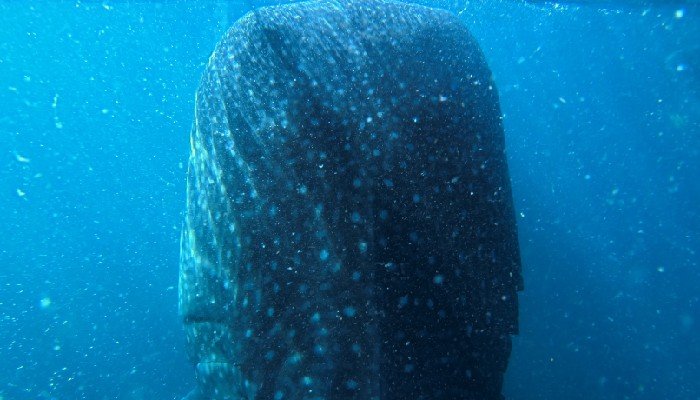
Swimming with Whale Sharks in Saleh Bay: What to Know Before You Go
Seeing a whale shark in the ocean can be an extraordinary wildlife experience. These enormous fish are known for their distinctive patterns and gentle filter-feeding behavior, and Saleh Bay in Sumbawa is associated with encounters that attract adventurous travelers.
However, a whale shark trip is not simply a guaranteed opportunity to swim with wildlife. It is an experience in a natural environment, where animal behavior, sea conditions, and responsible tourism practices should guide the day.
If you are considering a whale shark tour in Saleh Bay, understanding what to expect can help you prepare for a safer and more respectful encounter.
Where Is Saleh Bay?
Saleh Bay is located on the island of Sumbawa in West Nusa Tenggara, Indonesia.
The journey to the bay depends on your starting point and the operator’s arrangements. Some itineraries combine Saleh Bay with other Sumbawa destinations, while others focus primarily on the whale shark experience.
Confirm the meeting point, land transfers, boat departure, expected duration, and return arrangements before booking.
What Makes Whale Sharks Special?
Whale sharks are the world’s largest fish. Despite their size, they feed mainly by filtering small organisms from the water.
They are wild animals, not performers. Their presence, movement, and behavior cannot be controlled, and no responsible operator should promise a guaranteed sighting.
The best approach is to treat the encounter as an opportunity to observe wildlife, rather than expecting an animal to behave according to a visitor’s schedule.
What Happens on a Whale Shark Tour?
The precise itinerary depends on the operator, departure point, weather, and local practices. A typical trip may involve an early departure, a boat journey to an area where whale sharks are reported, and time observing them if conditions permit.
Before confirming a tour, ask:
- What time does the trip begin and end?
- Which transfers and meals are included?
- What safety equipment is provided?
- What happens if no whale sharks are seen?
- What wildlife interaction rules does the operator follow?
- Is swimming allowed under current local guidance?
These questions help you understand both the practical arrangements and the operator’s approach to wildlife.
How to Prepare for the Experience
Bring swimwear, a towel, sun protection, drinking water, and a waterproof bag for personal belongings. If you are prone to seasickness, consider discussing suitable preparations with a qualified healthcare professional before travel.
Tell the operator about your swimming ability and any concerns before entering the water. Follow the crew’s instructions and use safety equipment as directed.
Do not enter the water unless the crew confirms that it is safe and permitted.
How to Interact with Whale Sharks Responsibly
Responsible wildlife tourism should minimize disturbance to the animals.
Follow the operator’s instructions and applicable local regulations. Avoid touching, chasing, blocking, or attempting to ride a whale shark. Do not feed wildlife unless an activity is explicitly authorized under applicable rules and managed according to responsible practices.
Keep a respectful distance and allow the animal to move freely. If the whale shark moves away, do not pursue it.
A memorable photograph is never more important than the animal’s welfare or visitor safety.
What If You Do Not See a Whale Shark?
Because whale sharks are wild, sightings cannot be guaranteed. Weather and sea conditions may also change the route or duration of a trip.
Before booking, ask the operator what its policy is when sightings do not occur. Do not assume a refund, replacement trip, or additional search time is included unless the terms explicitly state so.
Even when a sighting does not happen, the experience can still provide insight into the marine environment and the challenges of wildlife tourism.
Can You Combine a Whale Shark Tour with Other Destinations?
Some travelers combine Saleh Bay with other destinations in Sumbawa, depending on the length of their trip and the available transport arrangements.
Satonda Island and selected coastal areas may be considered as part of a broader itinerary, but do not assume these destinations can all be visited on the same day. Distances, sea conditions, and boat schedules affect what is realistic.
If you plan to continue toward Komodo National Park, check the route and transport arrangements carefully. Saleh Bay is in Sumbawa, while Labuan Bajo and Komodo National Park are farther east.
My Advice as a Local Guide
Plan your day around safety and realistic expectations. Leave enough time for transfers, bring the essentials, and listen carefully to your boat crew.
Choose an operator that communicates clearly about wildlife interaction, safety equipment, inclusions, and what happens if conditions change.
Most importantly, remember that a wild animal is not an attraction that can be switched on for visitors. Respectful observation is part of what makes the encounter worthwhile.
Frequently Asked Questions
Are whale shark sightings guaranteed in Saleh Bay?
No. Whale sharks are wild animals, so sightings depend on natural conditions and cannot be guaranteed.
Do I need to be a strong swimmer?
Swimming ability matters, and conditions vary. Tell the operator about your experience and follow its safety advice. Do not enter the water if you feel unsafe.
What should I bring on a whale shark tour?
Bring swimwear, a towel, sun protection, drinking water, and a waterproof bag. Confirm whether snorkeling equipment and meals are included.
Can I touch a whale shark?
Do not touch, chase, or ride whale sharks. Follow the operator’s instructions and applicable wildlife regulations.
Can I combine the tour with Komodo National Park?
It may be possible to plan a multi-day journey involving both Sumbawa and Komodo, but the route requires careful coordination. Confirm the full itinerary and transport arrangements.
Final Thoughts
A whale shark encounter in Saleh Bay can be a memorable part of a Sumbawa journey, provided it is approached with realistic expectations and respect for wildlife.
Prepare well, choose a responsible operator, and let the animal determine the encounter. The goal is not simply to get close, but to experience the marine environment without causing unnecessary disturbance.
Explore our Sumbawa travel content and private tour options to plan the wider journey. Link this article to the dedicated Whale Shark Tour page once its URL is finalized.