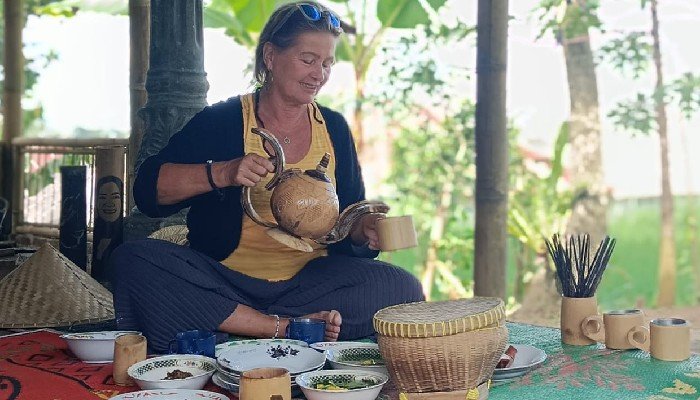
Sasak Culture in Lombok: Local Customs Every Visitor Should Know
Lombok is known for its beaches, islands and Mount Rinjani, but its cultural identity is just as important to the island’s character.
The Sasak people are the indigenous people of Lombok, and their traditions can be seen in village architecture, weaving, family life, ceremonies and local customs. For visitors, learning a little about Sasak culture can make a trip more meaningful and help create more respectful interactions with the people who call this island home.
You do not need to know every tradition before arriving. A little curiosity, a willingness to listen and respect for local customs go a long way.
As a local guide, I recommend approaching cultural visits with an open mind. Remember that Lombok is not a museum: traditions continue to evolve, and people live their everyday lives alongside tourism and modern life.
1. Who Are the Sasak People?
The Sasak people are the main indigenous ethnic group of Lombok. The Sasak language is used alongside Bahasa Indonesia, the national language, and local communities maintain a range of cultural practices and traditions.
Islam plays an important role in the lives of most Sasak people, while customs and everyday practices can vary between communities and families. Lombok also has diverse religious and cultural histories, so it is best not to assume that every resident follows exactly the same traditions.
For travellers, the most important starting point is simple: approach people as individuals rather than assuming that one cultural description explains everyone on the island.
You may notice local traditions in the way people celebrate weddings, prepare for religious occasions, build traditional homes or welcome visitors. If you are curious about something, ask your local guide or host to explain it.
2. Visit Traditional Sasak Villages Respectfully
Traditional villages are among the most accessible places to learn about Sasak culture.
Two well-known places in Central Lombok are Sade and Ende. Visitors can encounter traditional architecture, village layouts and, depending on the location and arrangements, local weaving and other cultural activities.
Sade Village
Sade is one of Lombok’s best-known cultural tourism villages. It is recognised for traditional Sasak houses, thatched roofs, woven bamboo walls and weaving traditions.
It is also a living community. People live in the houses and maintain their daily routines, even as visitors arrive to learn about the village.
When visiting, listen to your local guide, stay in areas where visitors are welcome and ask before entering a house or private courtyard.
Ende Village
Ende is another traditional Sasak village near the southern Lombok tourism area. It offers another opportunity to learn about traditional houses and local village life. Customs and the visitor experience may differ from those in Sade.
Do not assume that every house is open to visitors or that every family wants to be photographed. Follow local guidance and respect any areas marked as private.
Local tip: A village visit is more rewarding when you take time to listen to the explanations rather than simply walking around to take photographs.
3. Understand Traditional Sasak Houses
Traditional Sasak houses are an important part of Lombok’s cultural heritage.
In villages such as Sade, you may see houses known locally as bale, built using materials such as bamboo, wood and thatch. Some traditional compounds also feature lumbung, distinctive raised rice barns associated with storing harvested rice.
These structures reflect local building knowledge, available materials and ways of organising domestic life.
You may notice low doorways, compact interiors and natural materials that differ from those used in modern houses. Rather than judging a traditional house by the standards of a modern hotel, ask your guide how the design works and what it means within the community.
If you are invited inside, follow the host’s instructions. Ask whether you should remove your shoes and where you may sit or take photographs.
Remember that traditional homes are not simply display buildings. They can be private family spaces, so an invitation should never be assumed.
4. Why Weaving Matters in Sasak Culture
Traditional weaving is one of Lombok’s best-known cultural crafts.
In weaving communities such as Sukarara, visitors can learn about handwoven textiles and see how artisans work with threads and looms. Weaving traditions also feature in cultural villages such as Sade.
The finished textiles can feature intricate patterns and a variety of colours. The time required to produce a piece depends on the design, materials and weaving technique.
If you visit a workshop, take time to observe the process and ask questions about the textile you are seeing.
Consider asking:
- Is this fabric handwoven?
- What materials are used?
- How long does this design take to make?
- Who made it?
- How should I care for it?
If you decide to buy a textile, purchasing directly from an artisan or a reputable local workshop can help you understand the work behind the product.
You do not need to buy something to appreciate the craft. A respectful conversation and genuine interest are valuable, too.
5. Dress Respectfully When Visiting Villages
Lombok is a popular beach destination, but village visits are different from spending time at the beach or beside a hotel swimming pool.
When visiting a traditional village or a religious setting, choose clothing that covers your shoulders and knees. Lightweight trousers, longer skirts, T-shirts and modest dresses are practical options in warm weather.
A light scarf or sarong can be useful to carry, particularly if your itinerary includes a religious or ceremonial location.
Dress expectations can vary depending on the community and occasion. If you are attending a ceremony or visiting a place of worship, ask your local guide about any additional requirements.
The aim is not to dress in a particular way to look local. It is to show consideration for the people and setting you are visiting.
6. Ask Before Taking Photographs
Lombok offers plenty of opportunities for photography, from traditional houses to weaving workshops and village landscapes.
However, not everything you can see is automatically yours to photograph.
Before taking a close-up photograph of someone, ask for permission. This is especially important when photographing children, private family spaces or cultural activities.
A simple question in Bahasa Indonesia is:
“Boleh foto?” — “May I take a photo?”
If the person declines, smile and respect the answer. If you want to photograph the inside of a home or a working artisan, ask first even if other visitors are taking pictures.
During a wedding, religious event or other ceremony, follow the organiser’s instructions. Some moments may be private or unsuitable for photography.
A good photograph should not come at the expense of someone’s comfort or privacy.
7. Learn a Few Useful Indonesian Phrases
You do not need to speak Sasak fluently to show respect in Lombok. A few simple phrases in Bahasa Indonesia can make everyday interactions warmer.
| Bahasa Indonesia | Meaning |
|---|---|
| Halo | Hello |
| Selamat pagi | Good morning |
| Selamat siang | Good afternoon |
| Terima kasih | Thank you |
| Permisi | Excuse me |
| Boleh foto? | May I take a photo? |
| Berapa harganya? | How much does it cost? |
| Tidak, terima kasih | No, thank you |
Bahasa Indonesia is useful for communicating with people across the island, although many communities also use Sasak in everyday conversation.
If you hear a Sasak phrase you would like to learn, ask a local speaker to teach you. Local expressions and pronunciation may vary, so learning from someone in the community is a great way to get it right.
8. Understand Sasak Weddings and Cultural Ceremonies
Weddings are an important part of social and family life in Sasak communities.
One tradition often discussed by visitors is merariq, commonly described as a customary elopement or the process of a couple leaving together before family negotiations and further wedding arrangements. The practice has specific cultural context and can vary in how it is understood and carried out today.
It is important not to reduce a complex tradition to a sensational story. Marriage practices involve families, community expectations, religious considerations and individual circumstances.
If you are lucky enough to hear about a local wedding, ask your guide to explain the custom in context rather than assuming every Sasak wedding follows the same process.
Never enter a private ceremony or photograph participants without permission. An invitation from a family or organiser should guide your behaviour.
9. Respect Local Religious and Community Practices
Religion and community traditions are part of everyday life in Lombok.
When visiting a mosque or another religious setting, follow local instructions about clothing, footwear, access and photography. Some spaces may be restricted to worshippers or may not be open to visitors at certain times.
During religious observances, you may notice changes to daily routines, meal schedules or business hours. Be patient and ask your host or guide if you are unsure about what is appropriate.
It is also important to remember that cultural practices are not identical across the island. Avoid treating one village’s customs as universal rules for all Sasak people.
A respectful visitor observes first, asks politely and follows local guidance.
10. Support Local Communities When You Travel
Cultural tourism can create opportunities for local guides, artisans, accommodation providers and small businesses.
You can support local communities in simple ways:
- Hire a local guide when you want an explanation of village traditions.
- Buy crafts directly from makers when possible.
- Pay agreed prices for tours and workshops.
- Ask before entering private homes or workspaces.
- Avoid leaving rubbish in villages or natural areas.
- Be patient when language or cultural differences lead to misunderstandings.
- Respect a person’s decision not to participate in a tourist activity.
If a village asks visitors to pay an entrance fee, donation or guiding fee, clarify the arrangement politely and follow the local system. Fees and procedures may vary between destinations.
Responsible travel is not about trying to experience every tradition. It is about making sure your visit is welcome and beneficial to the people who live there.
11. My Advice as a Local Guide
I encourage visitors to Lombok to look beyond the famous attractions and take time to understand the communities that make the island special.
You do not need to memorise every custom before your visit. Start with the basics: dress appropriately, ask before taking photographs, respect private spaces and listen when a local guide explains something unfamiliar.
If you visit Sade or Ende, remember that you are walking through a place where people live, not just an outdoor museum. If you visit a weaving workshop, recognise the skill and time involved in the work. If you learn about a wedding tradition, approach the subject with curiosity rather than judgement.
And if you make a mistake, a polite apology and a willingness to learn can go a long way.
For me, a good cultural experience is not measured by how many photographs you take. It is measured by what you learn and how respectfully you interact with the people you meet.
Frequently Asked Questions
Who are the Sasak people of Lombok?
The Sasak are the indigenous people of Lombok and form the island’s main ethnic group. Their cultural heritage includes language, traditional architecture, weaving and a range of community customs.
What is the best traditional Sasak village to visit?
Sade and Ende are two recognised options in Central Lombok. Each offers its own visitor experience, and the best choice depends on your route, interests and the arrangements available on the day.
What should I wear when visiting a Sasak village?
Modest clothing that covers your shoulders and knees is a sensible choice. Follow any additional instructions from your guide or the community, especially when visiting religious or ceremonial settings.
Can I take photographs of local people?
Ask permission before photographing people, children or private spaces. Always respect a person’s decision if they do not want to be photographed.
Is Sasak culture the same throughout Lombok?
No. Although communities share a broader cultural heritage, local customs and practices can differ between villages, families and occasions. Ask locally rather than assuming one description applies everywhere.
Can visitors learn traditional weaving in Lombok?
Some weaving communities and workshops welcome visitors to observe the process, and selected places may offer demonstrations or hands-on activities. Confirm availability with the workshop before travelling.
Is it appropriate to attend a Sasak wedding?
Only if you have been invited or the organisers have clearly welcomed visitors. Weddings and other ceremonies can be private family or community events, so ask before attending or taking photographs.
Discover Lombok Through Local Experiences
Lombok’s cultural heritage is best appreciated with time, curiosity and respect for the people who keep traditions alive.
If you want to explore beyond the beaches, consider visiting a traditional village, learning about local weaving or arranging a hands-on craft experience in Tetebatu.
Start with our Tetebatu Travel Guide and explore our guide to traditional crafts in Lombok for more ideas.
Contact Island Compass if you would like help planning a private Lombok experience that combines cultural discovery with the island’s natural landscapes.
Explore with curiosity. Travel with respect. Discover Lombok with Island Compass.
Related Guide
- Traditional Crafts in Lombok
- Tetebatu Travel Guide
- Where to Stay in Tetebatu
- Lombok Private Tours
- Sasak weaving or traditional village tour