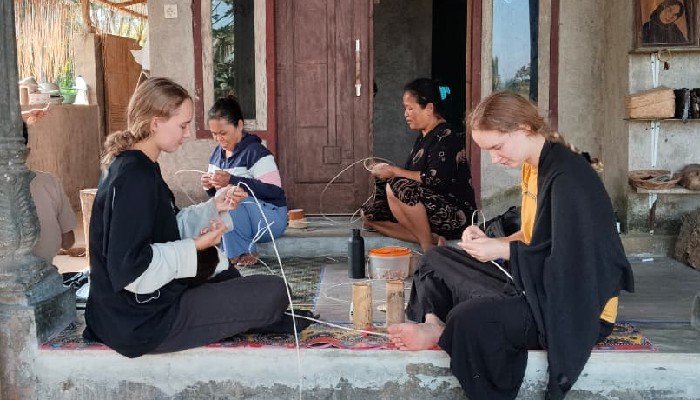
Beyond the Beaches: Traditional Craft Experiences in Lombok
Lombok is famous for its beaches, turquoise water, waterfalls and mountain landscapes. But there is another side of the island that deserves a place in your travel plans: its traditional crafts and the people who keep these skills alive.
Across Lombok, local artisans work with materials such as bamboo, clay and woven textiles to create objects used in everyday life and cultural traditions. Visiting a craft workshop gives you a chance to understand how these items are made, meet the people behind them and discover a side of the island that you might otherwise miss.
For travelers who enjoy meaningful experiences, traditional crafts in Lombok offer something different from simply visiting another viewpoint or beach. You can observe a skilled artisan at work, ask questions and, at selected workshops, try making something yourself.
Here are some craft experiences to consider when planning your Lombok adventure.
1. Try a Hands-On Bamboo Craft Experience in Tetebatu
Bamboo is a versatile material in Indonesian village life. In Lombok, it is used for a variety of practical and decorative items, and local artisans transform it into objects using their knowledge of cutting, shaping and working with natural materials.
Tetebatu, in East Lombok, is an interesting place to explore this craft tradition. Rather than only buying a finished souvenir, visitors can arrange experiences that introduce them to the making process.
Depending on the workshop, you may learn about bamboo preparation, use traditional tools under guidance and create a small item to take home. The exact project depends on the artisan and the time available.
What can you make?
Our planned Bamboo Craft Experience in Tetebatu offers several options, including:
- Black bamboo cup
- Natural bamboo cup
- Coconut-shell bowl
- Coconut-shell cup
- Small or large rattan coaster
- Woven rattan bowl
The available projects take different amounts of time, so you can choose an activity that fits your schedule.
Why I recommend it
This is a lovely option for travelers who enjoy hands-on activities and want to take home something with a personal story behind it.
You are not just purchasing an object from a shop. You are spending time learning a skill from someone who works with these materials.
Our planned experience is priced at IDR 800,000 per person, with the selected craft, materials and tools, tea or coffee, and a meal according to the appointment arrangement. Confirm the current price, availability and inclusions before booking.
Guests generally make their own way to Tetebatu, although pickup may be arranged for an additional fee.
2. Discover Sasak Handwoven Textile
Textile weaving is one of Lombok’s best-known traditional crafts. Sasak artisans create woven fabrics with distinctive patterns, colours and techniques that reflect the island’s cultural heritage.
Two terms you may encounter are songket and ikat. They refer to different textile traditions and techniques, and the finished fabrics can vary in appearance, materials and purpose.
Sukarara is one of Lombok’s well-known weaving villages, where visitors can learn about traditional textiles and, at some workshops, try weaving themselves. Pringgasela is another place associated with Lombok’s weaving heritage.
What to look for
When visiting a weaving workshop, take time to observe how the artisan works with the loom and threads. Ask about the process, how long a piece takes to make and whether the patterns have a particular local significance.
If you want to purchase a textile, consider asking:
- Is this fabric handwoven or machine-made?
- What materials were used?
- How long did it take to produce?
- Who made it?
- How should I care for the fabric?
These questions can help you appreciate the skill involved and make a more informed purchase.
Local travel tip: If possible, buy directly from the artisan or a workshop that can explain where the fabric came from. This gives you a better understanding of the piece and helps you recognise the work behind its price.
3. Explore Traditional Pottery Making
Clay pottery offers another way to explore Lombok’s craft traditions.
Banyumulek, in West Lombok, is associated with pottery production. Here, visitors can discover how local makers shape clay into functional and decorative objects. Depending on the workshop, you may be able to observe the process or try shaping clay yourself.
A pottery workshop can be especially enjoyable if you are travelling with children, enjoy art or simply want to try something new.
Do not worry about making a perfect object. The point is to understand the process and appreciate the patience and experience required to produce finished pottery.
Before visiting, check whether the workshop offers hands-on participation, whether an instructor is available and whether your finished piece can be taken home immediately. Some items may require additional drying or firing time.
4. Visit Local Artisans and Learn About Everyday Craftsmanship
Some of the most memorable cultural experiences happen in small workshops rather than large tourist attractions.
In and around Tetebatu, visitors can arrange opportunities to learn about local craft activities, including bamboo work and other forms of village craftsmanship. The specific activities available depend on the host, the day and the arrangements made in advance.
A visit can give you a closer look at the tools, materials and techniques used to create everyday objects.
It also creates an opportunity to speak with the person doing the work. With permission, you may be able to take photographs, ask questions or try a simple step in the process.
Remember that a working home or small workshop is not automatically a public attraction. Arrange your visit beforehand, follow your host’s guidance and respect their time and privacy.
5. Which Craft Experience Should You Choose?
The best choice depends on what interests you most and how much time you have.
| Experience | Best for | Where to explore |
|---|---|---|
| Bamboo and rattan crafts | Hands-on learning and handmade souvenirs | Tetebatu and nearby craft communities |
| Sasak weaving | Textiles, patterns and cultural heritage | Sukarara and Pringgasela |
| Pottery making | Creative activities and working with clay | Banyumulek |
| Local artisan visits | Understanding village skills and everyday craftsmanship | Arrange with local hosts and guides |
Availability varies between workshops. Not every location offers a hands-on session, and some visits may be demonstrations rather than classes.
If you want to make your own item, confirm the project, duration, price and materials before booking.
6. Can You Combine Craft Experiences with Nature in Lombok?
Absolutely. In fact, combining cultural experiences with nature is one of my favourite ways to help visitors discover more of Lombok.
You could spend part of your trip exploring the rice terraces and waterfalls around Tetebatu, then arrange a bamboo craft workshop with a local artisan.
Alternatively, you could build a wider cultural itinerary around weaving, pottery and traditional villages in different parts of the island.
The key is to avoid rushing. Workshops take time, and meaningful interactions are more rewarding when you can ask questions, observe the process and enjoy the experience without constantly checking the clock.
If you plan to visit several locations in one day, check travel times and confirm that each workshop can receive you at the intended time.
7. How to Be a Responsible Cultural Traveller
Traditional crafts are more than tourist activities. They represent people’s knowledge, time, creativity and livelihoods.
A few simple habits can make your visit more respectful.
- Ask before taking photographs. Always seek permission before photographing artisans, their families or private working spaces.
- Pay fairly for hands-on experiences. Workshops require materials, tools, time and skill.
- Buy thoughtfully. Ask about the maker and the production process rather than choosing only by price.
- Respect the learning process. Some techniques take years to master; a short workshop is an introduction, not a replacement for that expertise.
- Follow your host’s guidance. Use tools only when instructed and take care around working areas.
- Avoid demanding cultural performances. Let artisans explain their work in the way they are comfortable with.
Responsible cultural travel is not about collecting as many activities as possible. It is about approaching local people with curiosity and respect.
8. My Advice as a Local Guide
If you are visiting Lombok for the first time, it is easy to fill your itinerary with beaches, viewpoints and waterfalls. Those places are beautiful, but I encourage you to leave room for experiences that introduce you to the people behind the destination.
A bamboo craft workshop in Tetebatu is a good example. You can spend time with a local artisan, learn how a natural material is transformed and create something that reminds you of your trip.
If you are more interested in textiles or pottery, consider visiting a weaving or pottery workshop instead.
There is no need to do everything in one day. Choose one or two activities that genuinely interest you, ask questions and take your time.
You may return home with a handmade cup, a woven textile or a small piece of pottery. More importantly, you will have a better understanding of the work and skill behind it.
Frequently Asked Questions
What traditional crafts can I experience in Lombok?
Options include bamboo and rattan crafts, Sasak handwoven textiles and pottery. The locations and level of participation vary by workshop.
Can I make my own souvenir in Lombok?
Yes, some workshops offer hands-on activities where visitors can create a small bamboo, rattan or pottery item. Confirm the available project and duration before visiting.
Where can I try bamboo crafting in Lombok?
Tetebatu in East Lombok is one option. Local workshops may offer experiences involving bamboo cups, coconut-shell items or rattan crafts, depending on availability.
Where can I see traditional weaving?
Sukarara and Pringgasela are associated with Lombok’s weaving traditions. Ask individual workshops whether visitors can observe the process or try weaving.
How much does a bamboo craft experience cost?
Our planned Tetebatu Bamboo Craft Experience is priced at IDR 800,000 per person. Check the current price, appointment arrangements and inclusions with Island Compass before booking.
Are craft workshops suitable for children?
Some workshops may be suitable for families, but this depends on the activity, tools and age of the children. Ask the host about safety, supervision and whether a child-friendly project is available.
Can I combine traditional crafts with a Tetebatu nature tour?
Yes, provided the schedule and workshop availability allow it. You may be able to combine a nature walk with a separate craft session, or arrange a wider itinerary with your local guide.
Experience Lombok Beyond the Beaches with Island Compass
Want to discover another side of Lombok?
Explore our planned Bamboo Craft Experience in Tetebatu and spend time learning a traditional skill from a local artisan. You can also use our Tetebatu Travel Guide to discover the area’s countryside, forests and waterfalls.
Contact Island Compass to discuss the craft you are interested in, your preferred dates and any transport arrangements you need.
Discover the places. Meet the people. Take home a story.