A Nature Lover’s Guide to Tetebatu’s Forests and Waterfalls
If you want to experience a greener, quieter side of Lombok, Tetebatu deserves a place on your itinerary.
Located on the southern slopes of Mount Rinjani in East Lombok, this countryside destination is known for its rice terraces, tropical vegetation, forest trails, waterfalls and traditional village life. It offers a different atmosphere from Lombok’s beach destinations, with opportunities to slow down and explore nature on foot.
For nature lovers, the real attraction is not just reaching a waterfall or spotting a monkey. It is experiencing the landscape along the way: walking beside rice fields, listening to birds in the trees, following village paths and discovering the waterways that run through this green part of the island.
As a local guide, I recommend giving Tetebatu enough time to enjoy these experiences without rushing from one attraction to another.
1. Explore Tetebatu’s Tropical Forests
One of the best ways to discover Tetebatu is by walking through its natural surroundings.
The forested areas around the village sit within the wider landscape of Mount Rinjani. Depending on the trail, a walk can take you through village paths, cultivated land, shaded vegetation and greener forest sections.
Rather than treating the forest as somewhere to pass through quickly, take time to notice the details: the sounds of birds, different plants, changes in the terrain and the contrast between cultivated rice fields and thicker vegetation.
A local guide can help you understand the area, choose an appropriate route and navigate trails that may be unfamiliar to visitors.
What to bring: Comfortable walking shoes, drinking water, sun protection and a light rain jacket. Some trails can become slippery after rain.
2. Visit the Black Monkey Forest
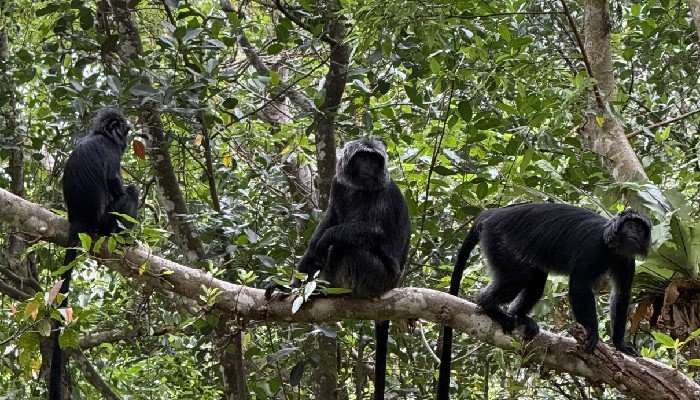
One of Tetebatu’s distinctive wildlife experiences is the opportunity to look for black monkeys in their natural forest habitat.
The animals commonly associated with this area are ebony leaf monkeys, also known as Javan lutungs (Trachypithecus auratus). The official Tetebatu tourism village portal identifies the Black Monkey Forest as a conservation and nature-education attraction near the Mount Rinjani National Park area.
These are wild animals, so sightings are never guaranteed. They may be resting, feeding or moving through the canopy, and sometimes they can be difficult to spot.
How to enjoy the experience responsibly
- Move quietly and listen to your guide.
- Keep a respectful distance from the animals.
- Never feed, chase or attempt to touch them.
- Avoid loud noises and sudden movements.
- Do not leave rubbish or food behind.
A guide familiar with the forest can improve your chances of spotting wildlife while helping you understand how to behave around it.
Remember: a successful wildlife experience does not depend on getting the perfect photograph. Observing animals without disturbing them is part of responsible travel.
3. Discover Sarang Walet Waterfall
Sarang Walet Waterfall is one of Tetebatu’s memorable natural attractions. Its setting among narrow rock walls and lush vegetation gives the area a different feel from a wide, open waterfall.
The route can involve walking through countryside, negotiating steps or uneven surfaces, and navigating sections near water. Indonesia Travel highlights the unusual, canyon-like approach to the waterfall as part of the attraction.
What to know before visiting
- Wear shoes or sandals with reliable grip.
- Watch your footing on wet rocks and steps.
- Follow local guidance about where it is safe to walk or swim.
- Avoid entering the water if currents or water levels appear unsafe.
- Bring a waterproof bag if you want to protect your phone or camera.
After heavy rain, water conditions and trail safety can change. Ask a local guide about conditions before setting out.
4. Walk to Durian Indah Waterfall
Durian Indah Waterfall, also known locally as Tibu Duran, is another nature stop around Tetebatu. The surrounding landscape combines tropical vegetation, countryside paths and the greenery of the area near Mount Rinjani.
For visitors who enjoy walking, the journey can be just as rewarding as the destination. Depending on your route, you may pass rice fields, village paths and lush vegetation before reaching the waterfall.
Take your time, particularly if you enjoy landscape photography. The changing textures of the rice fields, trees and flowing water provide plenty to notice along the way.
If you plan to swim, check the water conditions locally first. Do not jump into unfamiliar pools or assume that every waterfall is safe for swimming.
5. Experience the Hidden Canyon at Sarang Walet
Why visit more than one waterfall? Because each can offer a different landscape and walking experience.
Sarang Walet is especially interesting for its narrow, enclosed rock setting. The name Sarang Walet translates roughly as “Swallow’s Nest,” and the local tourism information associates the attraction with the rocky environment used by swiftlets.
For travelers who like exploring beyond a viewpoint, the approach through the surrounding terrain can make this a particularly memorable stop.
However, conditions matter. Narrow passages, slippery surfaces and flowing water may make some sections unsuitable for visitors with mobility difficulties or anyone uncomfortable with uneven terrain.
If you are unsure whether the route suits you, ask your guide to explain the walking conditions before you start.
6. Enjoy the Rice Fields and Countryside Trails
Tetebatu’s natural beauty is not limited to forests and waterfalls. The rice terraces are an important part of its landscape and local life.
Walking through the countryside lets you appreciate the relationship between farming, village life and the natural environment. The official tourism village profile highlights the area’s terraced fields, forested hills, waterfalls and community-based tourism activities.
When walking through cultivated land, remember that rice fields and farm paths are part of people’s livelihoods.
- Stay on paths your guide identifies as appropriate for visitors.
- Ask before entering a field or taking close-up photographs of farmers.
- Avoid stepping on crops or damaging irrigation channels.
- Be considerate when passing homes and working areas.
These small gestures help keep the experience positive for both travelers and the local community.
7. Can You Visit the Forests and Waterfalls in One Day?
Yes, you can combine several nature experiences in a day, depending on the routes, weather, walking pace and time available.
For travelers staying in Tetebatu, a full-day jungle walk can be a practical way to explore the forest and waterfalls with a local guide.
Our planned Tetebatu Jungle Trek Full Day is designed for guests already staying in the Tetebatu area. The current draft itinerary begins with pickup around 9 AM, includes a forest walk with opportunities to look for black monkeys, a visit to Durian Indah Waterfall, lunch and a visit to Sarang Walet Waterfall.
The exact route and timing should be confirmed with the local operator, particularly after rain or when trail conditions change.
If you prefer a slower pace, you could split the experiences across two days instead of trying to fit everything into one itinerary.
8. What Is the Best Time to Explore Tetebatu?
Tetebatu can be green and beautiful throughout the year, but the conditions on forest trails and near waterfalls vary with rainfall.
During drier weather, some walking routes may be easier to navigate. After heavy rain, paths and rocks can become slippery, and streams may rise or flow more strongly. Do not assume that a waterfall is safe to visit or swim in simply because the weather is clear when you arrive.
For a more comfortable experience:
- Start early to enjoy cooler temperatures.
- Check local conditions before visiting waterfalls.
- Ask whether the intended trails are suitable for your group.
- Allow extra time for walking, rest stops and photographs.
- Be flexible if your guide recommends changing the route.
Nature travel is best when you can adapt to the conditions rather than rush to follow a fixed schedule.
9. What Should You Pack for a Tetebatu Nature Walk?
You do not need technical mountaineering equipment for every countryside walk, but sensible preparation makes a big difference.
Recommended essentials:
- Comfortable shoes with good grip
- Lightweight, breathable clothing
- Reusable water bottle
- Small daypack
- Sun protection and a hat
- Insect repellent
- Light rain jacket
- Waterproof bag for your phone
- Small towel and change of clothes if swimming is permitted
- Any personal medication you need
For routes involving streams or wet rocks, ask your guide whether trekking shoes or water-friendly footwear are more appropriate.
Pack light, but do not skip the essentials. Being prepared helps you enjoy the landscape without unnecessary discomfort.
10. My Advice as a Local Guide
My recommendation is simple: do not treat Tetebatu as a checklist of waterfalls.
The forest, the wildlife, the rice fields and the village are connected. The most rewarding moments may happen between the main attractions—when you hear birds in the trees, notice a monkey moving through the canopy or stop to watch local people working in the fields.
Choose a route that matches your fitness and interests. If you love wildlife, allow time to explore the forest quietly. If you enjoy water and dramatic rock formations, ask about the waterfall trails and current conditions. If you want to experience the countryside at a relaxed pace, include time for walking through the rice terraces.
And please travel responsibly. Keep the forest clean, leave wildlife undisturbed and respect the people whose homes and working landscapes make Tetebatu such a special place.
Frequently Asked Questions
Is Tetebatu good for nature lovers?
Yes. Tetebatu is known for its rice terraces, forested areas, waterfalls, wildlife and countryside walking opportunities, making it a good destination for travelers who enjoy nature and slower-paced exploration.
Can I see black monkeys in Tetebatu?
You may be able to spot ebony leaf monkeys in the forest, but sightings are not guaranteed. These are wild animals, and visitors should observe them quietly without feeding or disturbing them.
Can I swim at Tetebatu’s waterfalls?
Swimming may be possible at some locations when conditions are safe, but not every pool or river section is suitable. Ask your local guide about water depth, currents, recent rainfall and any local restrictions before entering.
Do I need a guide to visit the waterfalls?
A guide is helpful for understanding the trails, choosing suitable routes and navigating unfamiliar sections. For forest and wildlife walks, a knowledgeable local guide can also help you observe animals responsibly.
How long should I spend in Tetebatu?
A day can cover several nature attractions, depending on the route and pace. Staying two nights or longer gives you more flexibility to explore without rushing and to enjoy the countryside.
Is Tetebatu suitable for children?
Some walks may suit families, but trail difficulty varies. Narrow passages, slippery rocks, stairs and flowing water can present hazards. Confirm the specific route with a local guide and choose according to the children’s ages, abilities and comfort.
Explore Tetebatu with Island Compass
Want to experience Tetebatu’s forests and waterfalls with local insight?
Explore our Tetebatu Jungle Trek Full Day experience or start with our Tetebatu Travel Guide to plan your visit.
If you are already staying in Tetebatu, contact Island Compass to discuss your preferred route, interests and travel dates. We can help you explore the countryside at a pace that suits you.
Island Compass — discover more of Lombok beyond the beaches.